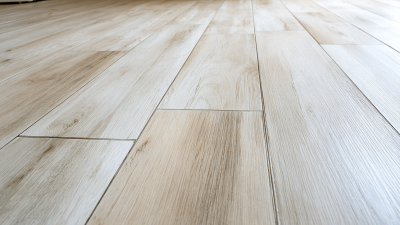
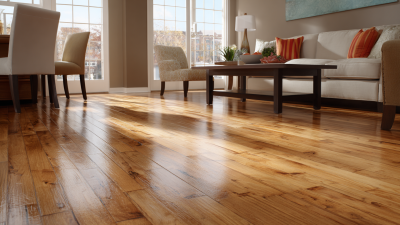
In recent years, Vinyl Flooring has really taken off as one of the go-to options for both homes and commercial spaces. It’s now believed to make up roughly 30% of the global flooring market, according to Market Research Future. The sudden buzz? Well, it’s largely because vinyl is super versatile, looks great, and doesn’t break the bank. Thanks to tech advancements, today’s vinyl floors can convincingly imitate the look of hardwood, ceramic, or even stone—giving you that luxury vibe without the hefty price tag. The Freedonia Group predicts that sales will hit around $7.5 billion by 2025, so clearly, vinyl’s popularity isn’t slowing down anytime soon.
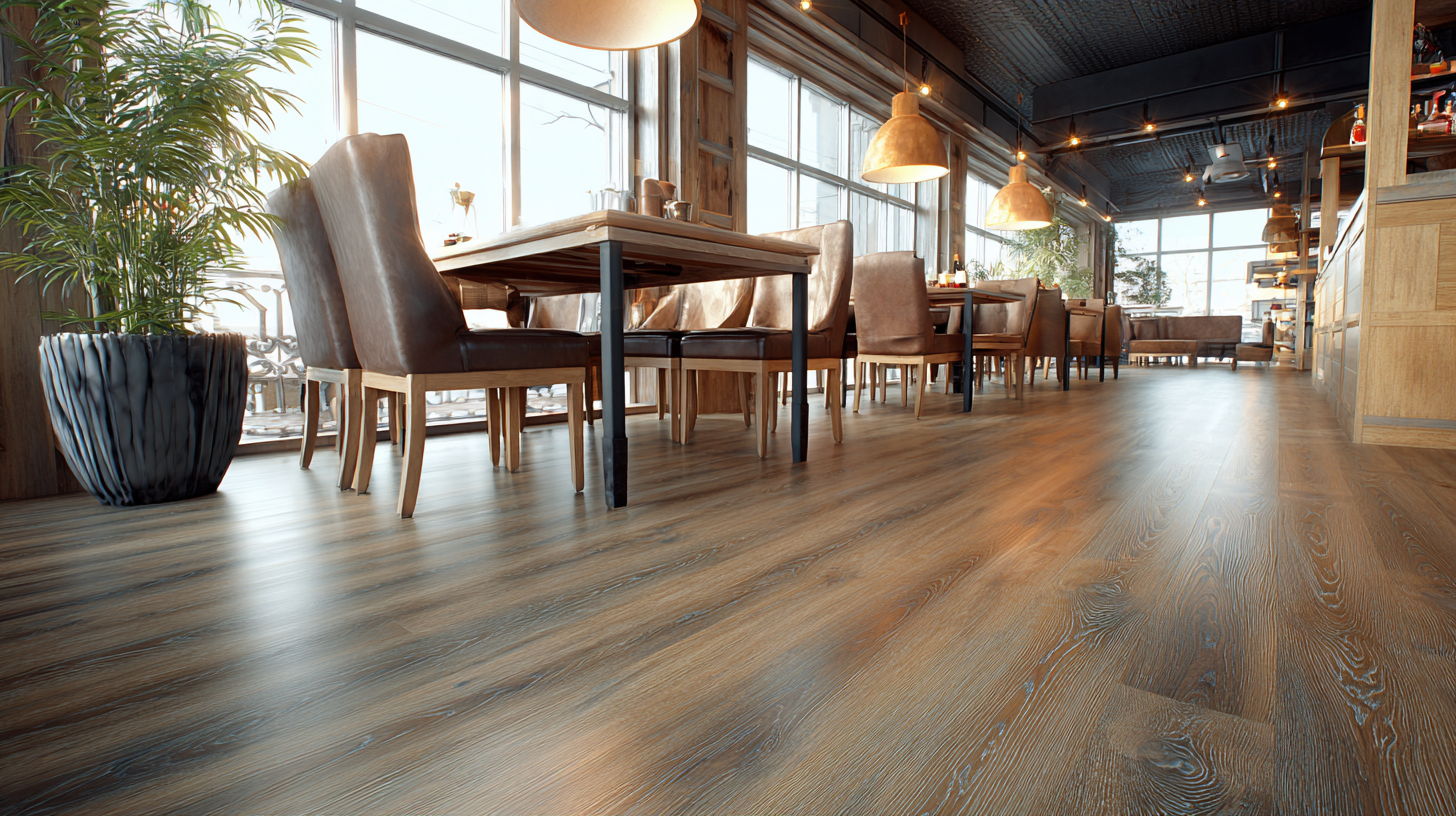
When you’re picking out the right vinyl flooring, it’s worth thinking about things like style, durability, and how much effort it takes to keep it looking good. Getting a good grip on these factors can really help boost your space’s look and make sure your investment lasts. For example, Luxury Vinyl Tiles (LVT) and Vinyl Plank Floors (VPF) are pretty hot right now because they come with extra tough protective layers—making them more resistant to scratches and stains. The National Association of Home Builders even reports that about 67% of homeowners prioritize durability when choosing flooring, which just shows how much people want floors that stick around. In this guide, we’ll walk through the different styles, what makes them durable, and some handy maintenance tips to help you make the best choice for your space.
Understanding Vinyl Flooring: Types and Their Unique Features
Vinyl flooring has gained immense popularity due to its versatility and durability, making it a top choice for homeowners and businesses alike. There are three primary types of vinyl flooring: luxury vinyl planks (LVP), luxury vinyl tiles (LVT), and sheet vinyl. According to a report by the Resilient Floor Covering Institute, the shift towards vinyl flooring has been driven by advancements in production technology, allowing for more realistic textures and designs that closely mimic natural materials like wood and stone. As a result, luxury vinyl sales have surged, with projections showing a steady growth of over 7% annually through 2025.
Each type of vinyl flooring has unique features that cater to different needs. LVP is often favored for its authentic wood-like appearance, making it suitable for residential settings where aesthetics and comfort are paramount. On the other hand, LVT offers a versatile design that can emulate various tile patterns and is particularly advantageous for high-traffic areas due to its enhanced durability. Sheet vinyl, with its seamless application, is recommended for areas prone to moisture, such as bathrooms and kitchens. Data from the National Wood Flooring Association indicates that with proper maintenance, vinyl flooring can last upwards of 20 years, making it a smart investment for both cost-conscious consumers and those seeking long-lasting beauty in their spaces.
Assessing Durability: Key Factors in Vinyl Floor Performance
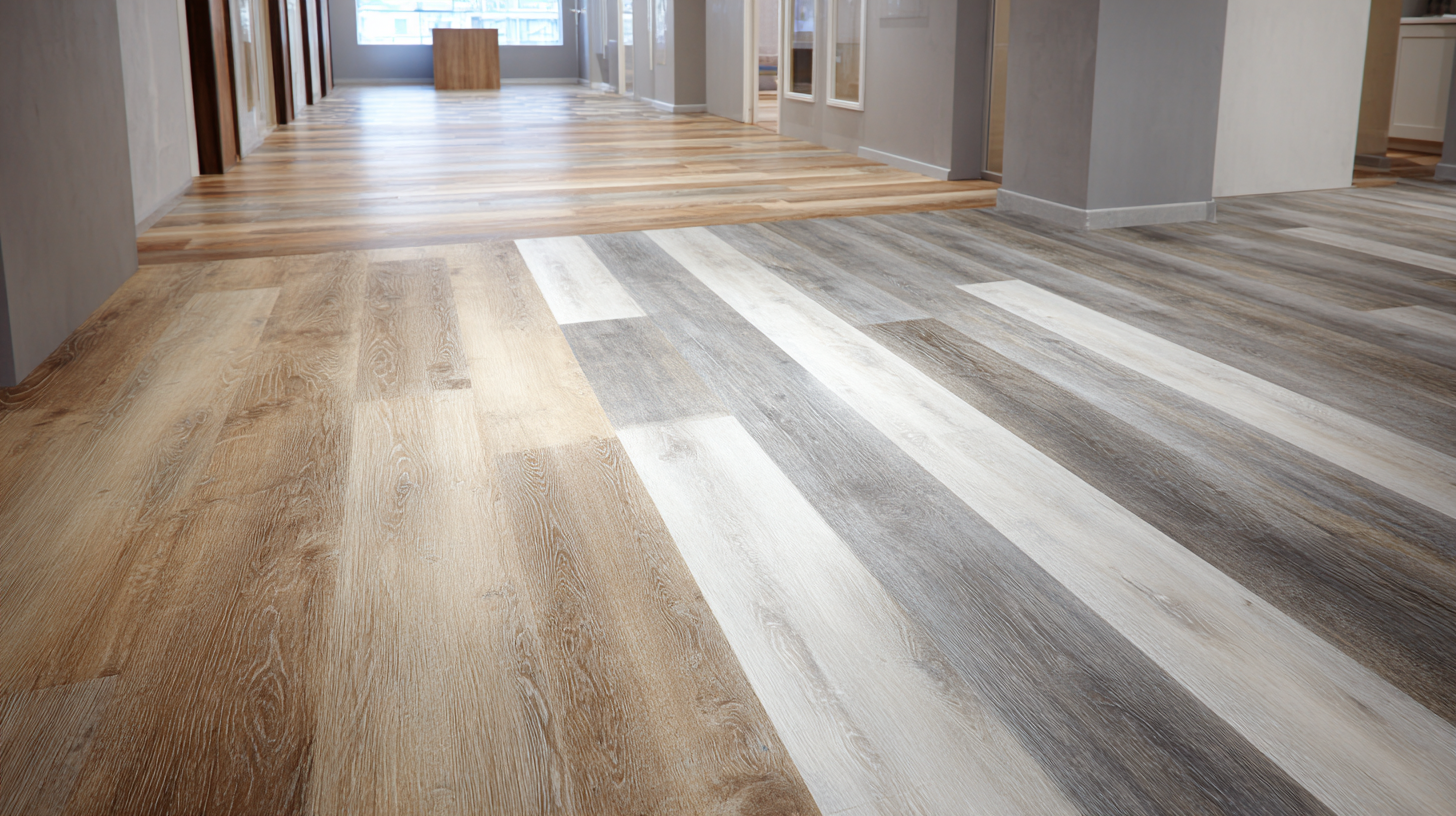 When choosing the right vinyl flooring, assessing durability is crucial to ensure it meets the demands of your space. Key factors influencing vinyl floor performance include wear layer thickness, material composition, and overall construction quality. According to a report by the Resilient Floor Covering Institute (RFCI), a wear layer of at least 20 mils is recommended for high-traffic residential areas, while commercial spaces may require a thickness of 30 mils or more. This wear layer acts as a shield against scratches, dents, and stains, significantly extending the lifespan of the flooring.
Another important aspect to consider is the type of vinyl flooring—either luxury vinyl planks (LVP) or luxury vinyl tiles (LVT). Both offer robust performance, but LVP often provides added resilience due to its density and construction. The National Wood Flooring Association indicates that LVP can sustain high foot traffic and resist moisture better than traditional flooring options, making it an ideal choice for areas prone to spills or humidity. Additionally, regular maintenance, such as sweeping and occasional cleaning with appropriate products, can further enhance the durability of your vinyl floor, keeping it looking new for years to come.
Maintenance Made Easy: Cleaning and Care Tips for Vinyl Floors
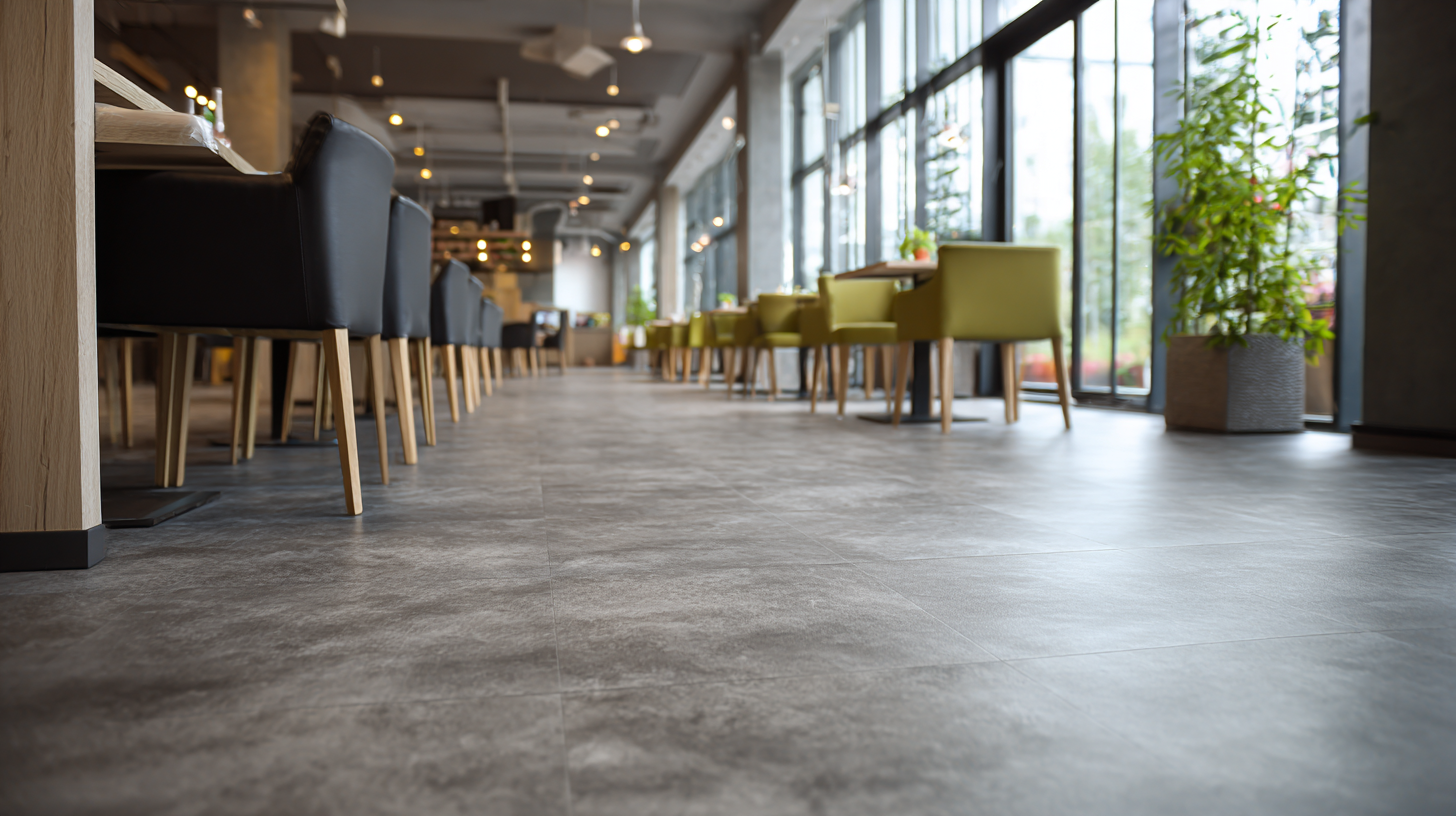 Vinyl flooring is celebrated for its durability and ease of maintenance, making it a popular choice in homes and commercial spaces alike. According to the Resilient Floor Covering Institute (RFCI), luxury vinyl tile (LVT) and vinyl sheet flooring can last 10 to 20 years with the right care. To maximize the lifespan of your vinyl floors, regular maintenance is essential.
Sweeping or vacuuming daily helps remove dirt and debris, preventing scratches that can diminish the floor’s appearance. For deeper cleaning, a damp mop with a gentle pH-neutral cleaner is recommended. Avoid harsh chemicals and abrasive tools, as these can damage the vinyl surface. The National Floor Safety Institute reports that proper maintenance not only preserves the aesthetic appeal but also enhances safety by reducing the risk of slips and falls. With simple care practices like immediate clean-up of spills and periodic waxing, homeowners can ensure their vinyl floors remain not only beautiful but also safe for years to come.
Style Selection: How to Choose the Right Design for Your Space
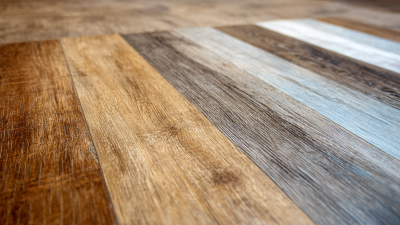
When selecting the right vinyl flooring for your space, style should be at the forefront of your decision-making process. Vinyl flooring comes in various designs, ranging from classic wood looks to contemporary tiles, offering immense versatility to match any aesthetic. According to a recent report by Allied Market Research, the global vinyl flooring market is projected to reach $18.6 billion by 2025, driven significantly by its stylish appearance and affordability. Homeowners are drawn to vinyl’s ability to mimic high-end materials like hardwood and stone at a fraction of the cost, making it an appealing choice for budget-conscious renovations.
Moreover, durability and maintenance style can influence your choice of design. For high-traffic areas, opting for a design that features a scratch-resistant finish can help keep your floors looking their best. A study by Floor Covering Weekly highlights that luxury vinyl tiles (LVT) not only enhance the beauty of your spaces but also offer enhanced resilience, with some products lasting over 20 years. As you weigh your style options, consider how each design complements your home's overall ambiance while ensuring it meets your durability and maintenance requirements. Ultimately, aligning your flooring choice with your lifestyle and design preferences can elevate your interior decor while providing the durability you need.
Choosing the Right Vinyl Floor: A Comprehensive Guide to Styles, Durability, and Maintenance
| Style | Durability Rating (1-10) | Maintenance Level (Low/Medium/High) | Water Resistance (Yes/No) | Ideal Room Types |
| Luxury Vinyl Plank | 9 | Low | Yes | Living Rooms, Bedrooms |
| Sheet Vinyl | 7 | Medium | Yes | Kitchens, Bathrooms |
| Vinyl Tiles | 8 | Medium | No |
Basements, Utility Rooms |
| Rigid Core Vinyl | 10 | Low | Yes | All Areas |
| Print Film Vinyl | 6 | High | No | Commercial Spaces |
Installation Insights: DIY vs. Professional Vinyl Flooring Installation
When it comes to vinyl flooring installation, one of the first decisions to make is whether to tackle the project as a DIY or hire a professional. While DIY installation can save costs, it often requires a certain level of skill and knowledge. According to the National Floor Covering Association, improper installation can lead to issues such as warping or seams separating, ultimately reducing the flooring's lifespan and performance. On the other hand, hiring a professional ensures that the job meets industry standards and comes with warranties that can provide peace of mind.
For those considering a DIY approach, here are a few tips. First, always measure the space accurately and purchase 10% more material to account for mistakes or future repairs. Second, ensure that the subfloor is clean, dry, and level to prevent complications later on. Lastly, familiarize yourself with the specific type of vinyl flooring you are using, as some may require specific adhesives or installation methods.
At Sanhe Do It The Way Sporting Industrial Co., Ltd., we understand the importance of creating safe and high-performance training environments. Our FITFLOR vinyl flooring is designed to not only enhance aesthetic appeal but also to offer durability that withstands intense training sessions in sports venues and fitness centers. Whether you choose to install it yourself or seek professional help, FITFLOR provides a versatile solution that meets the needs of any athletic setting.
Vinyl Flooring Types and Their Durability Ratings
Budgeting for Vinyl Floors: Cost Considerations and Value for Money
When budgeting for vinyl floors, it’s essential to consider not only the initial cost of the material but also the long-term value for money. Vinyl flooring typically ranges from $2 to $7 per square foot, depending on quality and style. While cheaper options may seem appealing, investing in higher-quality vinyl often leads to better durability and less frequent replacements, ultimately saving you money in the long run.
Tip: Always request samples and compare them to the estimated costs. This way, you can assess not just the price but also the quality and aesthetic appeal, ensuring you make an informed choice that fits your budget.
Additionally, keep maintenance costs in mind. Vinyl floors are generally easy to care for, but some styles may require specific cleaning products or methods that could add to ongoing expenses. Understanding these requirements upfront helps you avoid unexpected costs after installation.
Tip: Read labels and manufacturer guidelines carefully to find out about the maintenance needs of your chosen vinyl flooring. This practice will help ensure your investment remains in good condition over time while providing you with peace of mind and a beautiful living space.
Conclusion
Choosing the right vinyl floor for your space can significantly impact both functionality and aesthetics. Understanding the types of vinyl flooring available, along with their unique features, is essential in making an informed decision. Key factors such as durability and maintenance are crucial, as they determine the floor's performance over time. Proper cleaning and care tips can ensure that your vinyl floor remains in top condition.
When selecting a style, it’s important to consider the design that best complements your environment. Whether opting for a DIY installation or hiring professionals, understanding the installation process can help streamline your project. Finally, budgeting for vinyl floors requires careful consideration of costs and the value they bring, making them an excellent choice for various settings, including sports venues and fitness centers, where FITFLOR excels in creating innovative training environments.